Impact Investing
An Arsenal of Operator-Investors for Africa
Like FDR’s “Arsenal of Democracy,” Africa should build from the bottom: Internal instead of external, bottom-up instead of top-down, and focusing on repeatability instead of scalability.

Like FDR’s “Arsenal of Democracy,” Africa should build from the bottom: Internal instead of external, bottom-up instead of top-down, and focusing on repeatability instead of scalability.

Five characteristics of effective corporate impact investors to help guide an emerging field.

As traditional sources of charity shrink and donors increasingly look for more impact from their gifts, venture capital's role in philanthropy has expanded. To explore the trends and what they mean for giving, SSIR's publisher Michael Voss speaks with Jim Bildner, CEO of Draper Richards Kaplan Foundation, and Julia Reed, managing director of relationship management with Schwab Charitable. A sponsored podcast developed with the support of DAFgiving360.
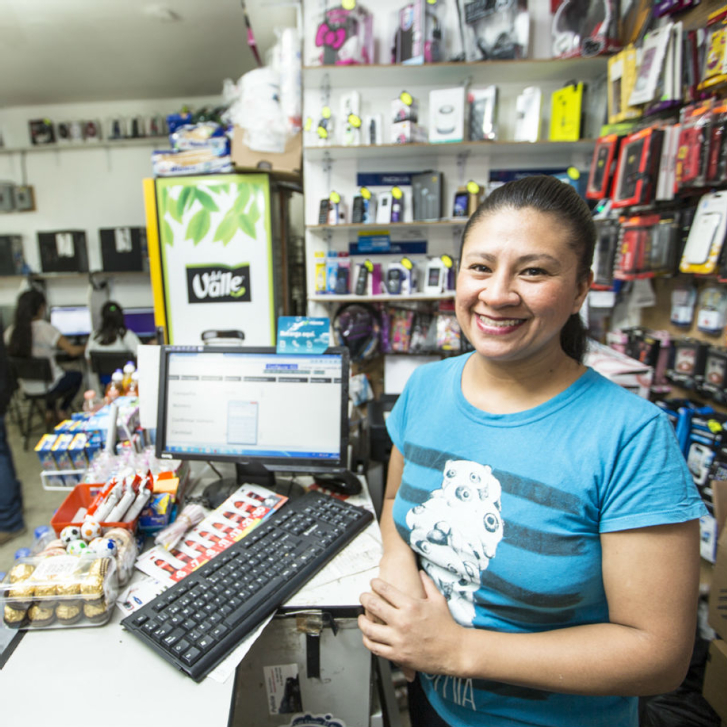
Five rules of the road from a seed-stage investor in financial technology for the underserved.

Investments in discovering and developing new solutions to address climate change are woefully low and have even been falling. Sarah Kearney and Scott Burger discuss how can philanthropists help.
Philanthropists and other impact investors play a critical role in funding risky, early-stage startups developing science-based solutions to climate change.

To prevent drastic climate change, philanthropists must invest more in nascent solutions ignored by traditional capital markets.
A new generation of wealth is making a difference using powerful technology, inventing new financial models to better leverage capital, and rigorously focusing on getting proven results.
Cultivating our society’s most creative thinkers like venture capitalists—supporting them early, continuously, and strategically—can lead to social impact far beyond the art world.

Until recently, both foundations and venture capital firms were wary of directing resources toward education technology startups. Here’s how “blended capital” is expanding the ed-tech field.